

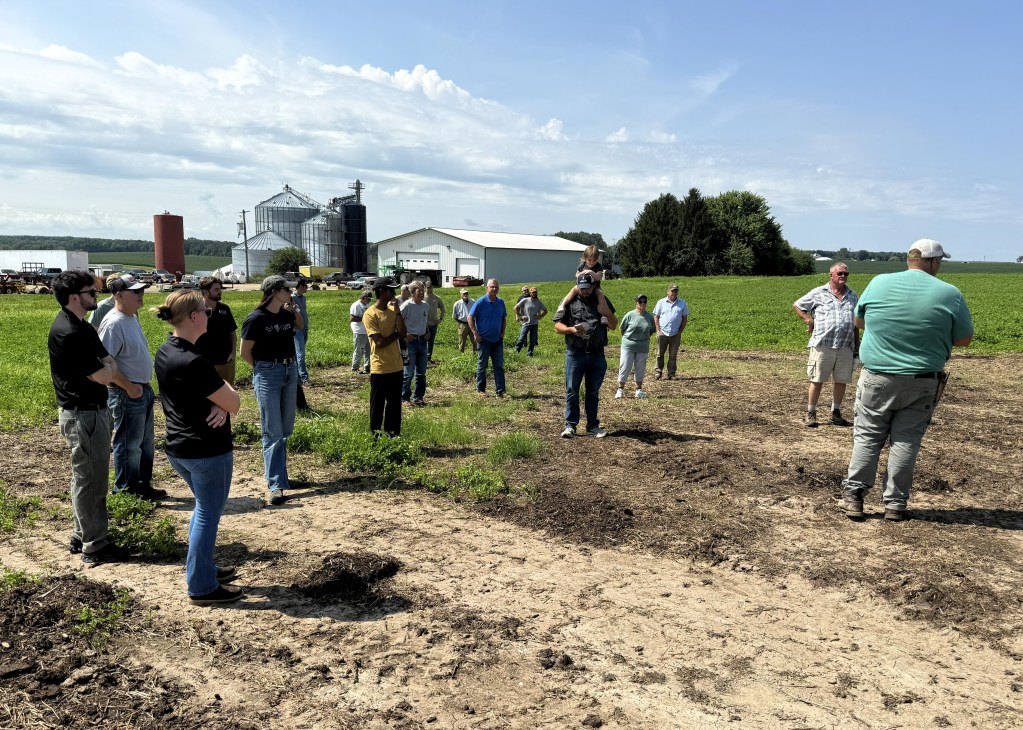
The Intersection of Data Analysis & Lived Farm Experience
PCM Field Days are a reminder of what’s possible when farmers, data, and lived experience are together in the same room.
PCM Field Days are a reminder of what’s possible when farmers, data, and lived experience are together in the same room.

PCM and Missouri Corn recently hosted a field day looking at blind inlets, nutrient management, and which practices earn their keep.
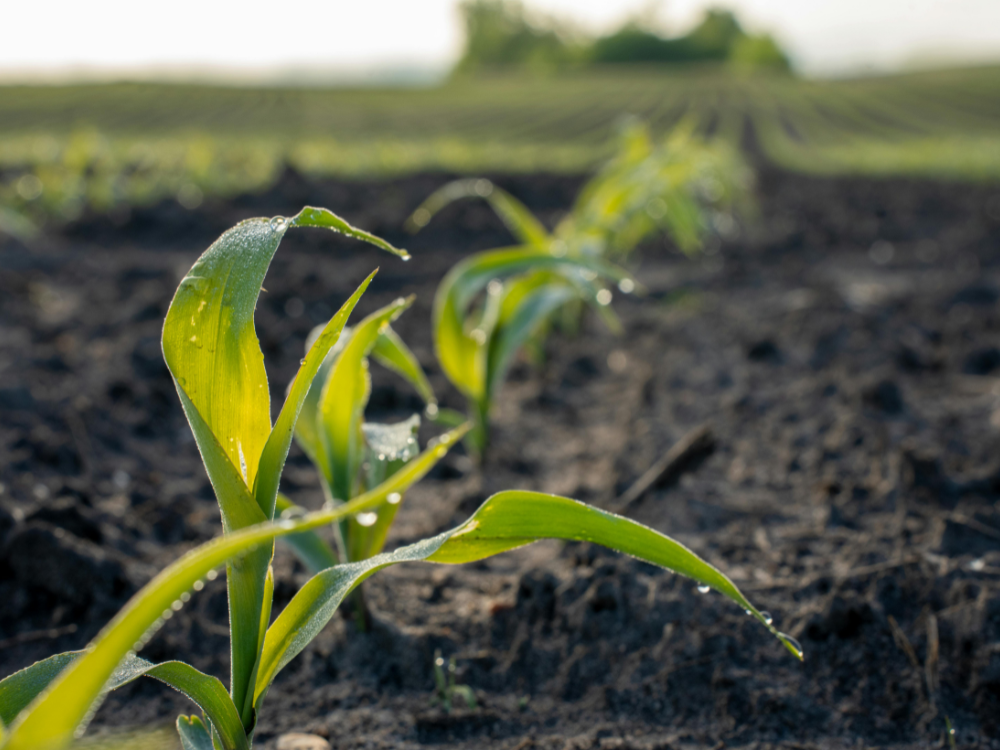
Some farmers have a low-cost mindset and others have a maximum-production mindset. In this economy, the low-cost mindset is most profitable.
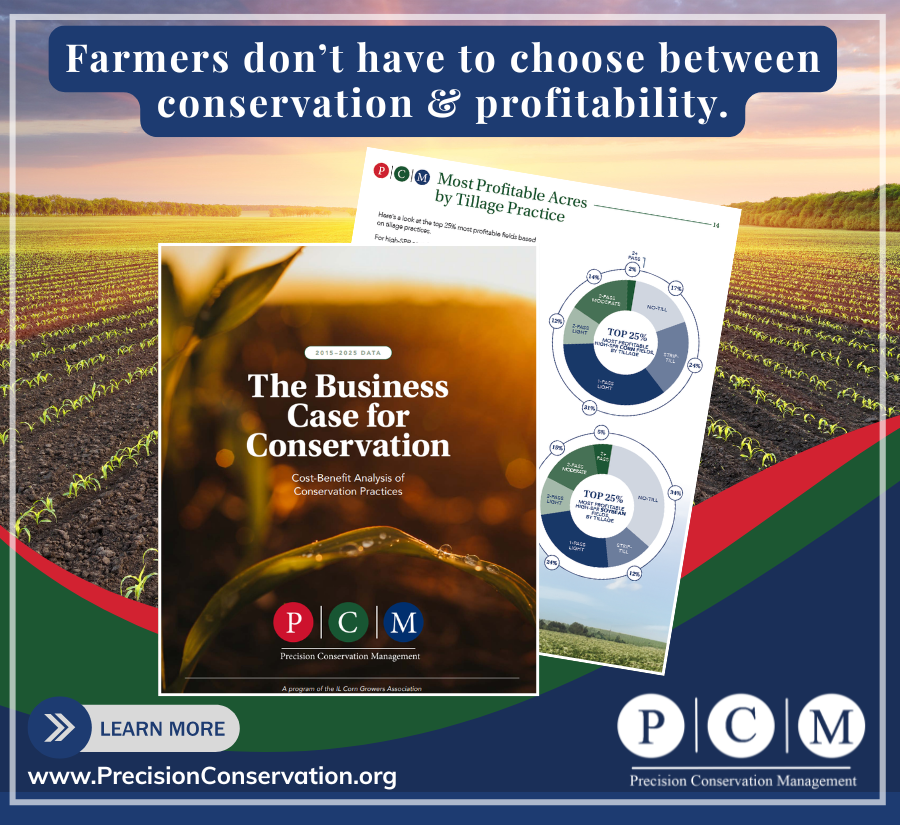
The 2026 PCM Business Case for Conservation is here with new findings on tillage, nitrogen management, and cover crops.
Our dataset focuses in analyzing the environmental and economic outcomes of tillage systems, nitrogen management, and cover crops. Here’s why.
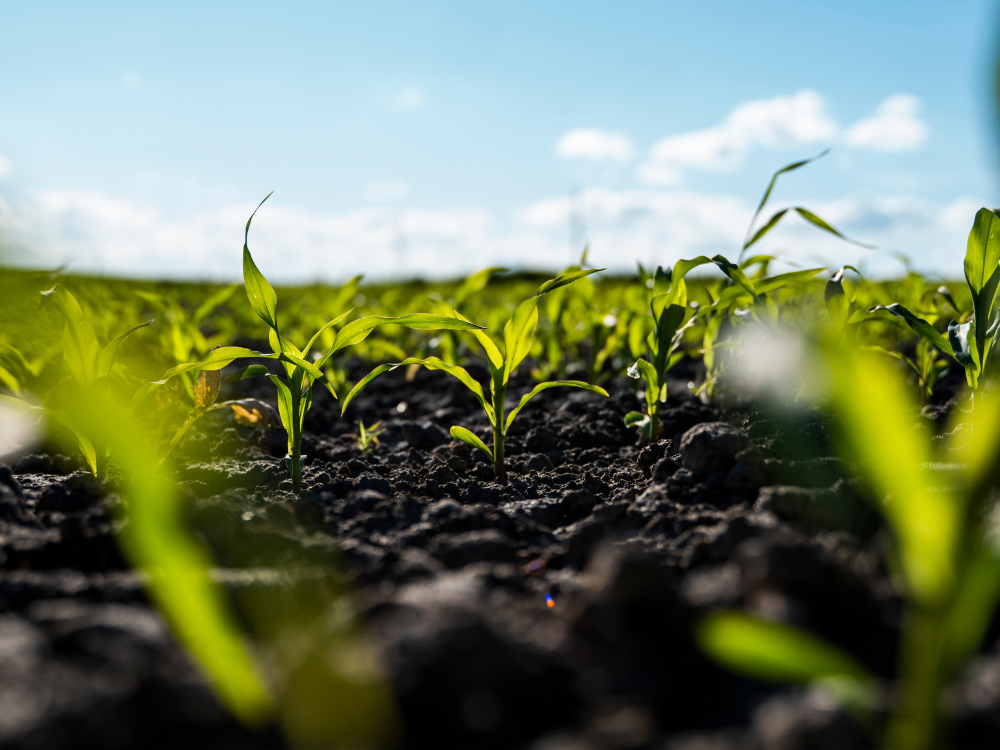
The best returns often start with simple, smart decisions at planting time.
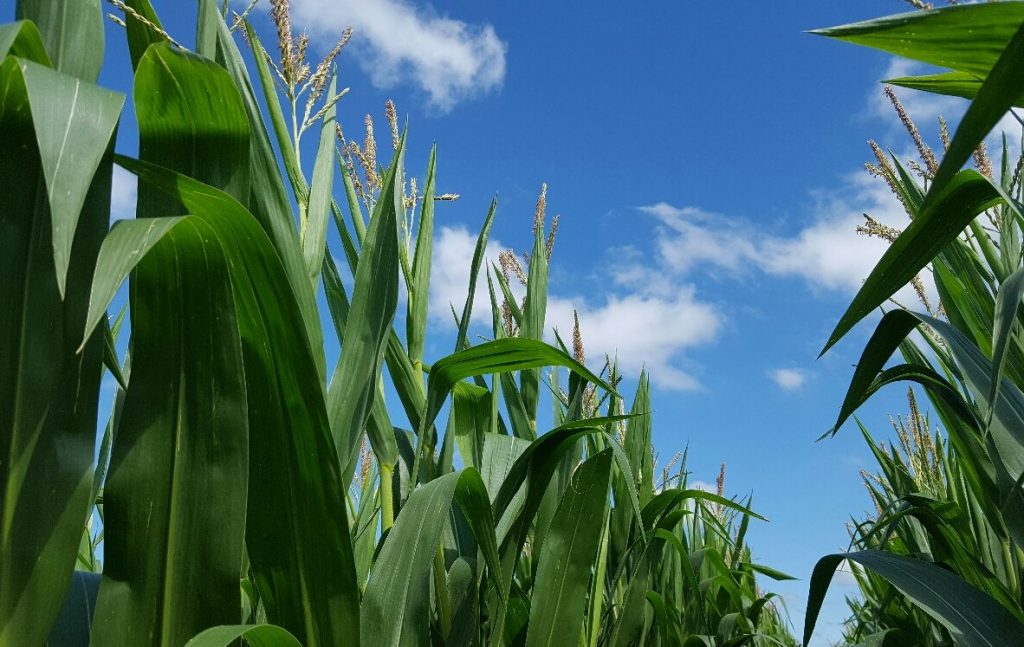
Nitrogen fertilizer is one of the most expensive inputs on the farm, and with today’s tight margins it’s never been more important to make sure every pound pays for itself.
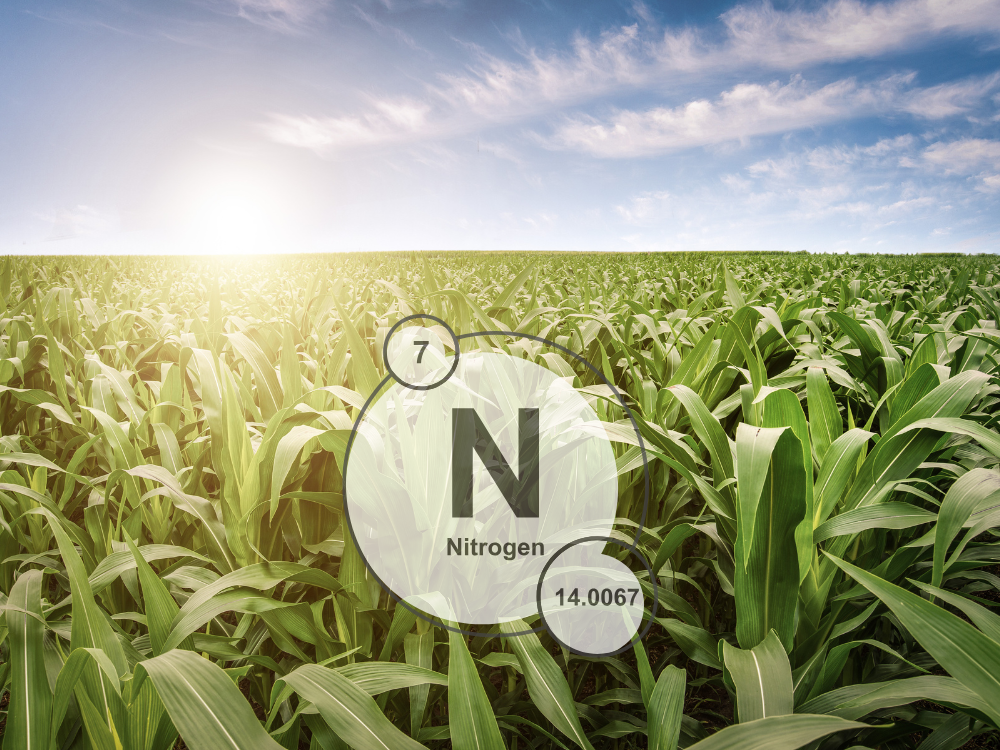
Nitrogen fertilizer is one of the most significant input costs for farmers, yet many are applying more than necessary—and it’s cutting into their profitability.
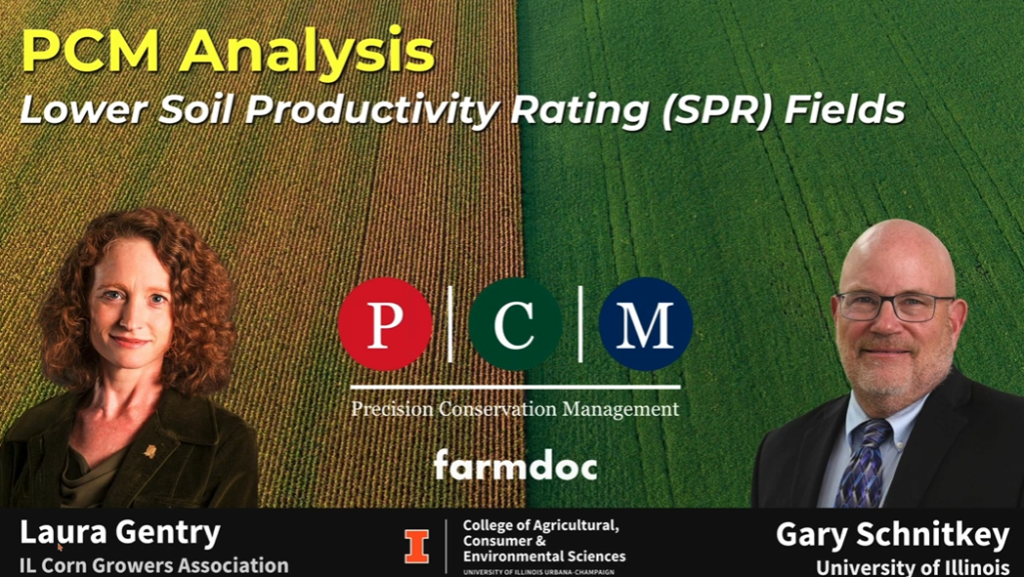
In this webinar, we summarize financial and environmental outcomes for the lower-productivity soils of Illinois for the three different practice standards: tillage, cover crops, and nitrogen management.

PCM farmers recieve an annual report from their PCM Specilaist with an in-depth look at individual farm management decisions and their impact on farm sustainability and economics.
The 2026 Business Case for Conservation is here! 11-years of real Illinois field data analyzed for financial and environmental outcomes.