The Intersection of Data Analysis & Lived Farm Experience
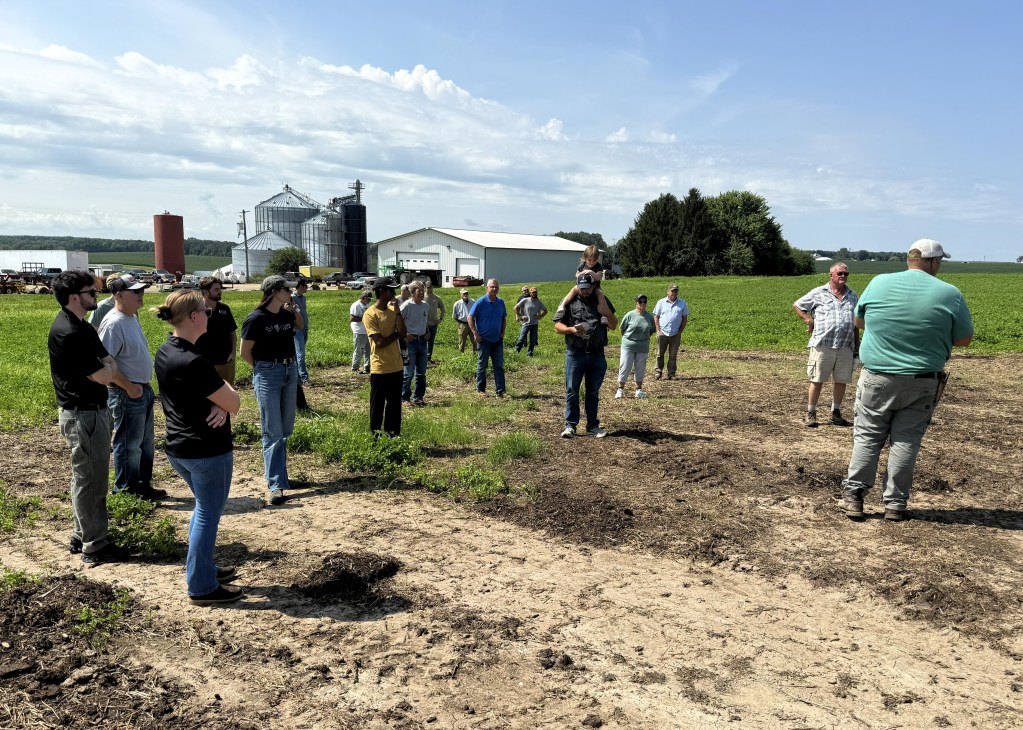
When I put together a Field Day, my goal is to give farmers the chance to see what’s working on someone else’s operation, ask direct questions, and decide for themselves whether a practice fits their own ground.
These events are also one of the few chances farmers get to talk shop with people who aren’t their direct neighbors — to compare notes with growers running different operations in different counties, without any of it feeling like a sales pitch. That kind of peer-to-peer exchange is hard to replicate any other way, and it’s exactly what PCM events are built to create.
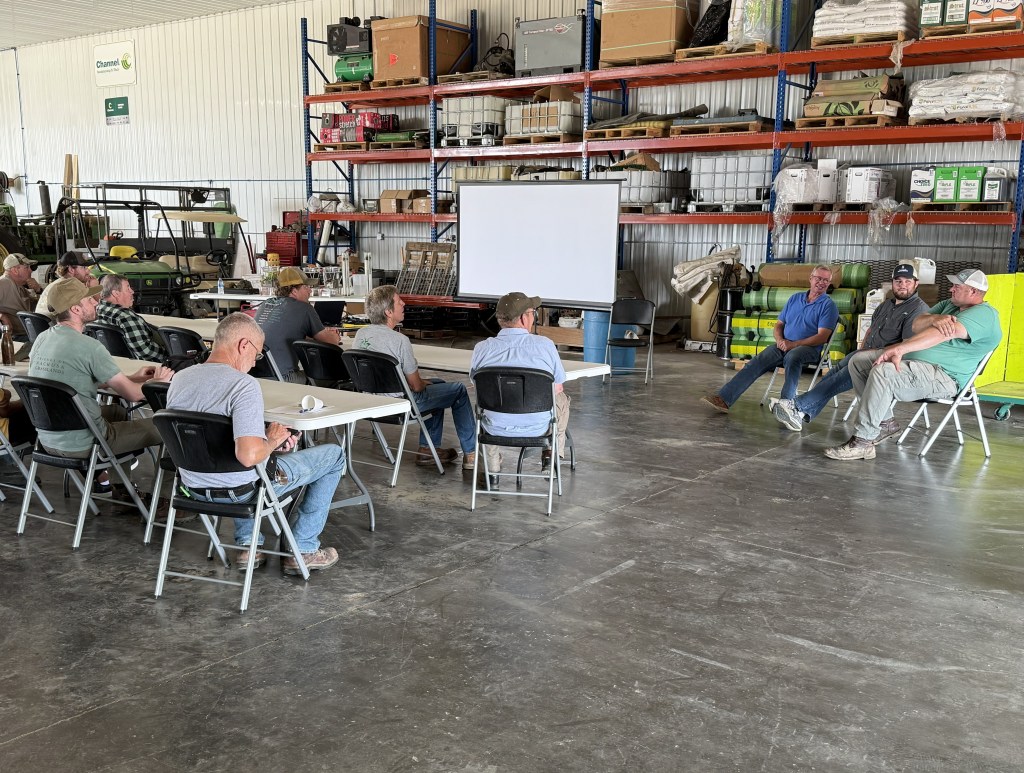
Most recently, Justin Rahn opened his farm for a field day alongside PCM & Ogle County SWCD. Between presentations from local experts and farmers alike, a lot of learning happened for everyone in the room — including me.
Education Flows Both Ways
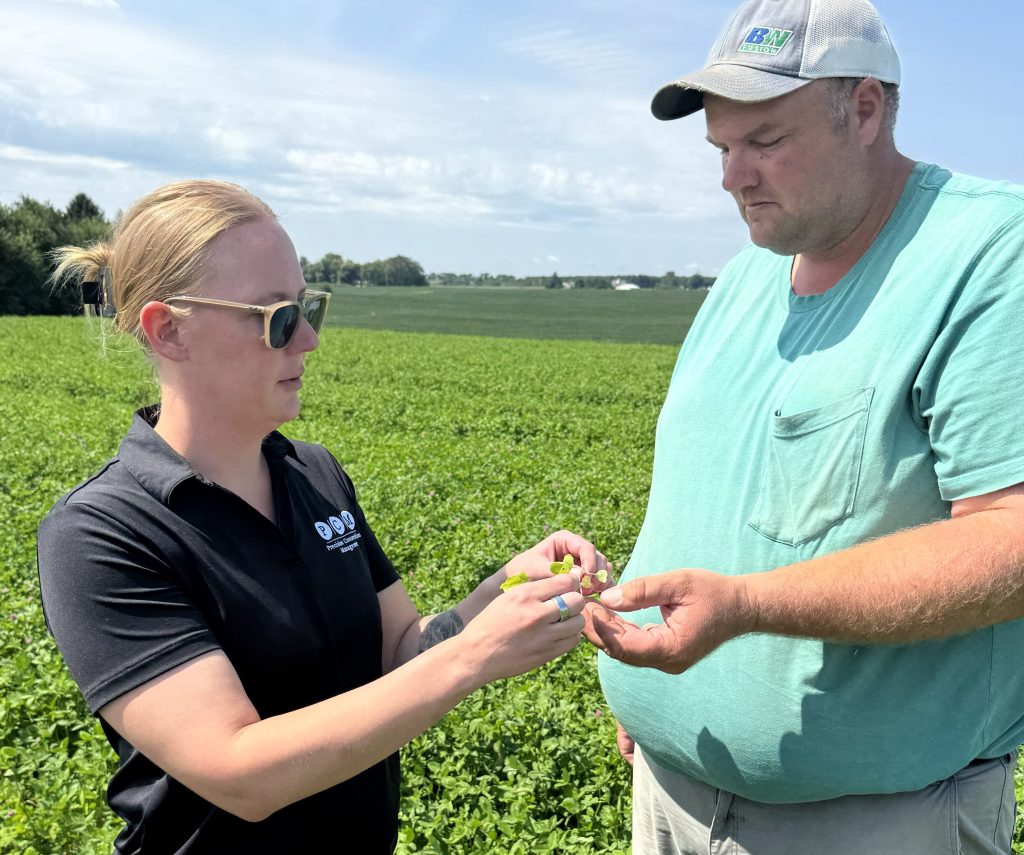
When I build an event, I make sure farmers get the chance to share their own ideas and lessons learned. Justin walked through why he chooses the specific cover crop seed varieties he does, and it was something I hadn’t considered before: when you plan to graze cattle on a cover crop field, variety selection matters for preventing bloat in the herd.
It was a good reminder that a successful cover crop plan accounts for the operation as a whole, and the goals of the individual farmer running it. For some farmers, cover crops are more than a soil health practice, they are an integral part of a grazing plan!
Use What You’ve Got
One of the most useful lessons of the day came from farmer Cade Bushnell’s presentation on cover crops, where he talked through how his operation gets by on equipment and resources they already have: a Kinze planter and a solid working relationship with their co-op for spraying.
That matters more than people realize. A lot of farmers assume they’d need to invest in specialized equipment to make cover crops work. Hearing directly from a farmer doing it with existing equipment and a good co-op relationship takes that barrier off the table.
Yield ≠ Profitability
Data analysis is at the core of what we do at PCM, so a portion of the day was spent reviewing several years of aggregated regional data. If there’s one thing I hope stuck with the group, it’s this: our northern Illinois data, year after year, shows farmers consistently applying nitrogen above the most profitable rate. More nitrogen might mean more yield — but for a lot of operations, it’s quietly eating into profit margins.
I don’t ask farmers to change how they operate just for the sake of it. My job is to show them what their own numbers say, so they can make the call that’s right for their bottom line. And when it comes to nitrogen rates, the data makes a clear case for dialing back.
See What Your Own Numbers Say
Days like this one are a reminder of what’s possible when farmers, data, and lived experience are in the same room. But the real value comes from seeing what these numbers look like on your fields.
If you’re ready to dig into your field data to see what you might be missing, enroll in PCM. It’s free and there’s no obligation to change your farming practices. We bring the data analysis, you bring your experience working the land, and together we’ll find the hidden opportunities you haven’t discovered yet.